Framed by the branches, this Egret was kind enough to pose long enough for me to get this shot. Photographed at the CREW Rookery in Naples, Fla.


Framed by the branches, this Egret was kind enough to pose long enough for me to get this shot. Photographed at the CREW Rookery in Naples, Fla.
A recent trip to the Smoky Mountains in Tennessee yielded my latest group of photographs, some of which I have posted below. The fall colors unfortunately were not at their peak, still it was a successful three days with nature and photography.
I am still working on my post processing, however, these photos and a few others are currently available for purchase on my website. Prints, T-shirts (All sizes and colors for men, women, kids and toddlers) Greeting Cards, Tote Bags, Portable Battery Charger, Phone Cases and more. Check it out at the link below.
http://1-john-greco.pixels.com/index.html
“Tranquility”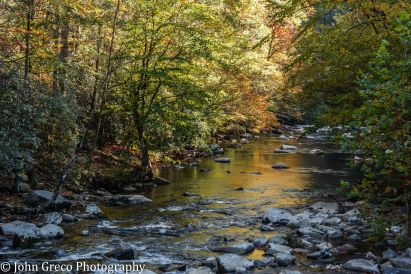
“Smoky Mountain Sunrise No. 2”
“Autumn Reflection”
Last week my wife and I did an overnight trip to Lakeland. What’s in Lakeland, you ask? For us it’s the Circle B Bar Reserve, a 1,267 acre refuge filled with a variety of wildlife. A haven for photographer’s. The reserve, now owned by Polk county, was previously a privately owned cattle ranch. According to a pamphlet I picked up upon our arrival the property was originally “a wet area connected to Lake Hancock.” This was way back in 1927. During the next 70 years the wetlands was drained to make it more conducive to cattle ranching. In 2000, Polk county acquired the property and began to convert the land back to its natural landscape.
 One of the many birds we came across during our time there was the Anhinga. It’s a fairly large bird, about 35 inches in height, that is mainly found in South America, Central America and the Southern Coastal United States. Many times you will find them along the coastal waters with their wings spread out drying them in the sun. Like Cormorants, which they resemble, Anhinga’s are water birds, however, lacking oil glands they are not waterproof. Subsequently, after swimming in the water they need to dry off their wings otherwise they would not be able to fly.
On this most recent trip of ours we found one particular Anhinga ready for lunch. He had a fish already in his long beak when we first spotted him. What was fascinating was how he began to literally beat the fish to death by smashing it against a tree branch. We arrived just in time to watch and photograph the ritual. It was captivating to watch, though sad and painful for the fish. I wanted to both photograph and shoot a video of the activity but naturally could only do one. Below are some of the photos I took.


One writer's experiences, and battles with words
INSPIRING WRITERS WORLDWIDE
The Only Crime Is Getting Caught
An Eclectic Collection of Pop Culture
A Home for Writers and Readers
Deep. Dark. Droll.
Burgers, Books, Music, Movies, Offbeat Adventures & Pop Culture!
Movie Reviews by Movie Critic Joanna Langfield.
I was born not knowing and have only little time to change that here and there
Horror/Suspense writer, Reviewer. Grower!
A Writer's Blog That's Not.
Blog posts from writers of authentic crime fiction.
Maria Konnel -- Children's & Young Adult Fantasy Author - Book Illustrator
beautiful thinking
 John Greco Author/Photographer